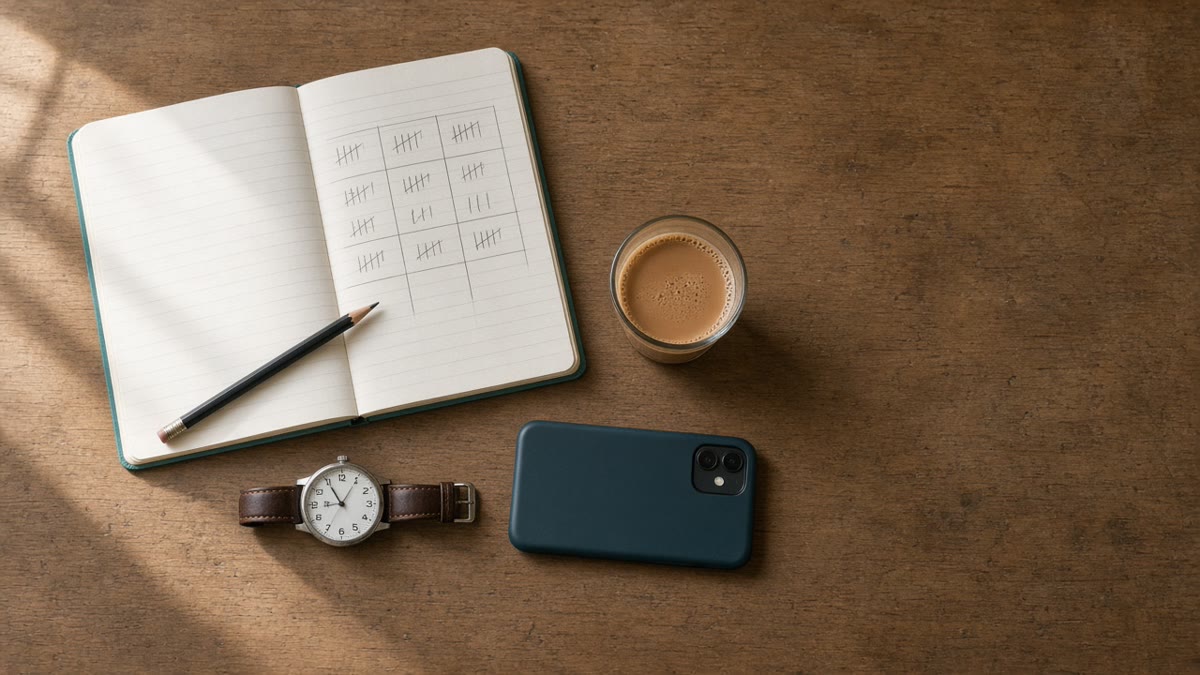
If you are doing NEET PG preparation with internship, we think the useful question is not how to find four free hours. It is what to do with the ten minutes you already have. A posting rarely leaves long sittings. It leaves gaps: after rounds, between admissions, while a discharge summary waits for a signature. In our view, those gaps are enough, if each one has a job before it arrives.
Can you prepare for NEET PG during internship?
We think yes, in a different shape. Not long evenings with a timetable, but short timed sets that survive a bad day.
Whether you can sit a given year's exam is official, not a matter of opinion. NBEMS sets eligibility, including when internship must be completed, in each year's information bulletin. When we checked on 26 September 2026, the NBEMS NEET-PG page listed no 2027 bulletin. Read it when NBEMS publishes it, and trust nothing else on that question.
Why do long study plans tend to break during internship?
In our view, most internship plans assume a free evening that the posting does not promise. One heavy call night, and the evening goes. Two, and the plan feels broken. Then the week gets written off.
A plan made of short sessions breaks less. If the day was brutal, you still had five minutes somewhere. We would rather you do five minutes most days than three hours on the days that happen to be quiet.
How much fits in a ten minute gap?
More than it sounds, if you answer instead of read. In the NEET-PG 2026 Information Bulletin, each section gave 42 minutes for 36 questions. That is 70 seconds a question, so ten minutes holds about eight questions at exam pace (derived from the 2026 bulletin; the 2027 pattern will be whatever the 2027 bulletin says).
Eight questions answered under a clock tell you something. Eight pages skimmed between patients usually do not.
What should each gap be for?
Here is how we would use them. Decide the job before the gap comes, so you are not choosing while the clock runs.
- 5 minutes: re-answer yesterday's wrong questions. Nothing new.
- 10 or 15 minutes: one subject, timed, no notes open.
- 20 or 30 minutes: the rarer quiet stretch, for a mixed set across subjects, to practise switching the way the paper makes you switch.
Write one line after each set: the subject, and whether you were wrong or just slow. We think that line is worth more than the set itself.
How do you cover 19 subjects on a posting schedule?
Not all at once, and not evenly. We would rotate through subjects in short sets for the first couple of weeks, and let the notes show which ones keep coming back wrong or slow. Those get more of your gaps. The rest get enough to stay warm.
We wrote about this method for the weeks after a result, and it works the same way inside a duty day: finding which subjects slipped, under a clock.
What should you leave out during internship?
We would leave out daily hour targets, guilt over missed days, and comparisons with friends who took a year off to study. Hour targets punish you for the posting. Guilt costs the next gap too. A friend's year is a different year.
Where Prepari fits
We built Prepari for these gaps. Sessions run 5, 10, 15, 20 or 30 minutes, drawn from 35,000+ questions across 19 subjects. Every answer is timed, and wrong answers come back for review, so the notebook line partly writes itself.
The next step
Before your next shift, pick one subject. In the first gap you get, answer one short timed set and note what was slow. That is enough for today.
Start practicing at prepari.in. 20 free questions a day.
This post is our opinion on preparing during internship, not official guidance, and it may change as NBEMS publishes the 2027 bulletin. Drafted with AI assistance for Prepari. Official facts were checked against NBEMS pages on 26 September 2026.